
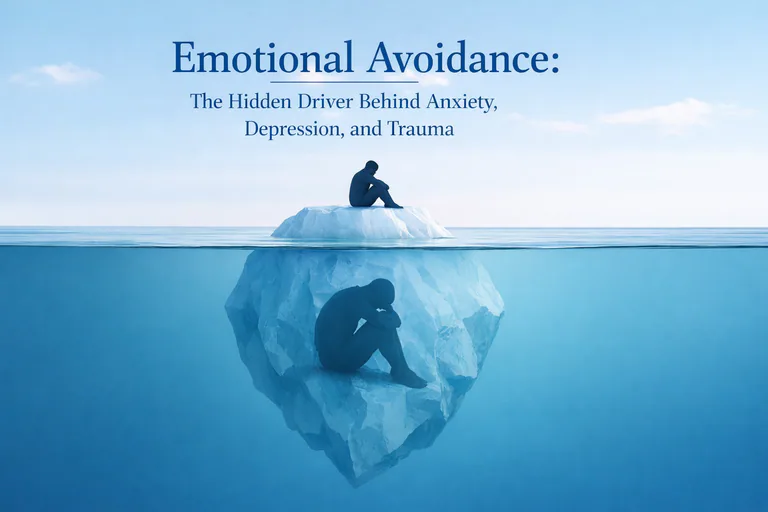
Emotional avoidance can look like staying busy, overthinking, shutting down, distracting yourself, or trying to keep difficult feelings out of awareness. In the short term, avoidance may feel protective. Over time, it can keep anxiety, depression, trauma patterns, relationship stress, and burnout going because the feeling never has a chance to be understood, processed, or responded to differently.
Renova Health provides psychiatric care in Miami for children age 5+, teens, adults, and older adults. When emotional avoidance is affecting school, work, relationships, sleep, or daily functioning, a psychiatric evaluation can help clarify what is driving the pattern and what type of care may be appropriate.
What emotional avoidance can feel like
- Keeping constantly busy so feelings do not catch up with you
- Intellectualizing feelings instead of actually feeling them
- Using sleep, scrolling, work, food, substances, or reassurance-seeking to escape distress
- Feeling numb, detached, irritable, or disconnected from people you care about
- Avoiding conversations, decisions, reminders, places, or memories that bring up emotion
Why avoidance can keep symptoms going
Avoidance often reduces distress for a moment, which teaches the brain that the avoided feeling or situation is dangerous. That cycle can strengthen anxiety, panic, obsessive worry, trauma reactions, depressive withdrawal, and relationship conflict. Avoidance can also make symptoms harder to diagnose because the main problem may appear as fatigue, irritability, procrastination, insomnia, or low motivation.
When to consider psychiatric care
Consider professional support if emotional avoidance is interfering with daily life, causing repeated conflict, worsening sleep, increasing panic or obsessive thoughts, or contributing to substance use. It is also worth seeking care when therapy has helped with insight but the symptoms still feel physically overwhelming or hard to control.
A psychiatric evaluation can screen for conditions that may overlap with avoidance patterns, including anxiety disorders, depression, PTSD, OCD, ADHD, bipolar disorder, and substance-related concerns.
How Renova Health can help
Care may include diagnostic clarification, medication management when appropriate, therapy coordination, lifestyle and sleep recommendations, and referrals for evidence-based psychotherapy. The goal is not to force feelings or over-pathologize normal stress. The goal is to understand what is keeping the pattern alive and build a treatment plan that fits the person in front of us.
If you are in Miami and emotional avoidance is starting to narrow your life, request an appointment or contact Renova Health. Do not send protected health information through standard website forms or email. If you may harm yourself or someone else, call 988 or go to the nearest emergency room.
Emotional avoidance is a coping pattern, not a diagnosis
Emotional avoidance describes attempts to escape, suppress, numb, or control uncomfortable internal experiences. Avoidance can provide short-term relief, which makes the pattern understandable and easy to repeat. Over time, it may narrow activities, reinforce fear, strain relationships, or make it harder to learn that difficult emotions can be tolerated safely.
Similar patterns can occur with anxiety, depression, trauma-related conditions, obsessive-compulsive symptoms, grief, substance use, chronic stress, or no psychiatric disorder at all. A single behavior does not establish a diagnosis. The broader context, duration, distress, and effect on functioning matter.
Small ways to respond differently
- Name the emotion and physical sensations without immediately trying to eliminate them.
- Notice the action you feel pulled toward, such as withdrawing, seeking reassurance, overworking, or using a substance.
- Choose one small action that supports your values even while discomfort is present.
- Reduce the avoidance gradually when doing so is safe; forcing overwhelming exposure can be counterproductive.
- Seek professional help when the pattern is persistent, worsening, connected with trauma, or interfering with daily life.
When psychiatric evaluation may help
An evaluation may be useful when emotional avoidance occurs with panic, persistent low mood, intrusive thoughts, major sleep changes, unsafe substance use, self-harm, or a significant decline in school, work, relationships, or self-care. Treatment recommendations depend on the underlying concern and may include education, talk therapy, medication discussion, coordination, or referral for specialized psychotherapy.