
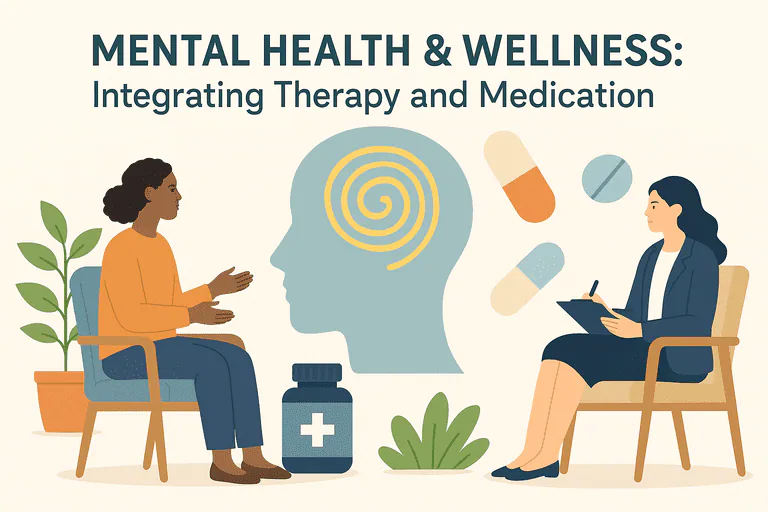
Choosing between psychotherapy, psychiatric medication, combined treatment, TMS, or another form of care should begin with the clinical problem, not a universal formula. Diagnosis, symptom severity, safety, age, medical history, previous response, side effects, access, and patient preference all influence the decision. Sometimes the right first step is additional evaluation rather than immediate treatment.
What psychotherapy is designed to change
Psychotherapy is not one treatment. Cognitive behavioral, exposure-based, interpersonal, trauma-focused, family, supportive, and other approaches use different methods for different targets. Therapy may help change avoidance, habits, interpretations, relationship patterns, emotional responses, or ways of coping. The therapist's training and the match between the method and the condition matter as much as simply attending sessions.
When medication enters the discussion
Medication may be considered when symptoms are persistent, severe, recurrent, or significantly impairing; when evidence supports its use for the suspected condition; or when psychotherapy alone has not been sufficient or accessible. The discussion should include expected benefits, common and serious risks, alternatives, monitoring, interactions, pregnancy or reproductive considerations when relevant, and what would prompt a change in the plan.
Combined treatment is not automatically best for everyone
Some conditions and levels of severity respond well to psychotherapy and medication together. Other patients may reasonably begin with one approach, active monitoring, family intervention, sleep treatment, substance-use care, or medical evaluation. Combined care also needs coordination: adding treatments without clear targets can make it difficult to know what is helping or causing side effects.
Where TMS may fit
Transcranial magnetic stimulation is a noninvasive treatment that may be considered for eligible adults with depression after an individualized evaluation. Diagnosis alone does not establish candidacy. Previous treatment, medical and seizure history, implanted devices or metal, medications, safety, and insurance criteria must be reviewed. TMS is not emergency treatment and is not a guaranteed cure.
Daily health factors matter without replacing treatment
Sleep, movement, nutrition, pain, substance use, stress, and social support can influence psychiatric symptoms and treatment response. Reviewing these factors is part of responsible care, but lifestyle advice should not be used to minimize severe illness or replace indicated treatment. A sleep disorder, substance-use condition, endocrine problem, neurologic change, or medication effect may require care from another clinician.
How Dr. Villa develops a plan
Dr. Brian Villa MD reviews the patient's symptoms, goals, medical and psychiatric history, medications, prior treatment, functioning, and safety. He explains the leading impressions, important uncertainties, and reasonable options. Recommendations may include medication management, psychotherapy, TMS evaluation, medical coordination, further assessment, monitoring, or referral when another specialty or level of care is more appropriate.
Questions worth asking
- What specific symptom or functional problem is this treatment targeting?
- How will we measure whether it is helping?
- What side effects or warning signs should I monitor?
- What alternatives are reasonable, and what happens if the first plan does not work?
- Who is coordinating care when more than one clinician is involved?
Sources
- National Institute of Mental Health: Psychotherapies
- National Institute of Mental Health: Mental Health Medications
- National Institute of Mental Health: Brain Stimulation Therapies
Compare medication management, TMS therapy, and psychiatric evaluations. Renova Health is accepting new patients and offers care in English and Spanish.
Emergency notice: Call 911 for an immediate emergency. Call or text 988 for emotional distress or suicidal crisis in the United States.