
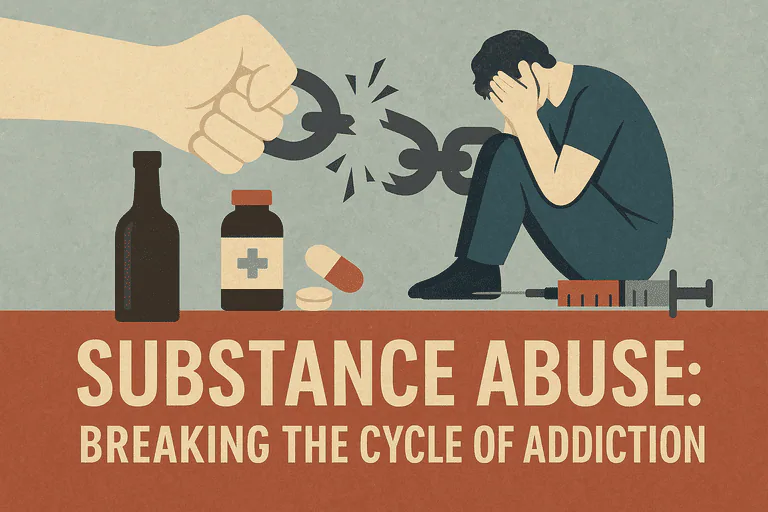
Substance use and mental-health symptoms can occur together and influence one another. A careful assessment asks what is being used, how the pattern has changed, what symptoms occur, and what level of care is needed. It does not assume that every substance-related concern has the same cause or treatment.
When to discuss substance use
Consider an evaluation when use is affecting health, sleep, school, work, relationships, or treatment for another condition. Difficulty cutting back, escalating use, medication interactions, or previous withdrawal also deserve attention. Be as specific as you can about the substance, amount, frequency, and timing.
Psychiatric symptoms may precede substance use, follow it, or occur independently. The NIMH guide to co-occurring disorders explains why both concerns should be considered.
The appropriate level of care matters.
Some people can receive outpatient assessment and follow-up. Others need a specialized addiction program, supervised withdrawal, hospital care, or emergency assessment. Withdrawal from alcohol or benzodiazepines can be medically dangerous. If you may be physically dependent, seek medical guidance about a safe plan rather than trying to manage withdrawal from an online checklist.
Seizures, severe confusion, hallucinations, loss of consciousness, breathing difficulty, suspected overdose, or immediate danger require emergency help. Do not wait for a routine website appointment response.
What to bring to an assessment
- A description of current and recent substance use, including alcohol and nonprescribed medications.
- Current prescriptions and supplements.
- Previous withdrawal, overdose, hospitalizations, or addiction treatment.
- Changes in mood, anxiety, sleep, attention, or daily functioning.
- Your goals, available support, and concerns about treatment.
Relevant records can help when available. Ask how information is handled and which clinicians may need to coordinate with your permission.
What Renova Health provides
Renova Health evaluates substance use alongside psychiatric symptoms and helps identify an appropriate next step. Care may include psychiatric medication management when clinically appropriate, supportive psychotherapy, coordination with existing clinicians, or referral to a specialized addiction-treatment service. Specific services and medication availability must be confirmed during scheduling and evaluation.
Renova Health does not provide medical detoxification, inpatient treatment, residential treatment, or emergency stabilization. Telehealth is not appropriate for every substance-related concern.
Plan the next step
Review the practice's substance-use care information and psychiatric evaluations. For a routine assessment, request an appointment and confirm that the available service matches your needs.
This information is educational. Diagnosis, withdrawal planning, medication decisions, and the level of care require an individual clinical assessment.