
Changes in mood, attention, sleep, behavior, or relationships can have more than one explanation. A symptom list cannot establish a diagnosis. Understanding the pattern over time, its effect on daily life, and the person's health and circumstances helps guide the next step.
What an evaluation can clarify
A psychiatric evaluation brings together current concerns, medical and psychiatric history, medication and substance use, sleep, development, previous care, daily functioning, and safety. With permission, information from a family member or another clinician may help. Sometimes additional records, medical assessment, or observation are needed before a diagnosis is clear.
The purpose is to identify reasonable options and explain important uncertainties. It does not automatically result in a prescription. Learn what to expect during a psychiatric evaluation.
Common concerns people bring to care
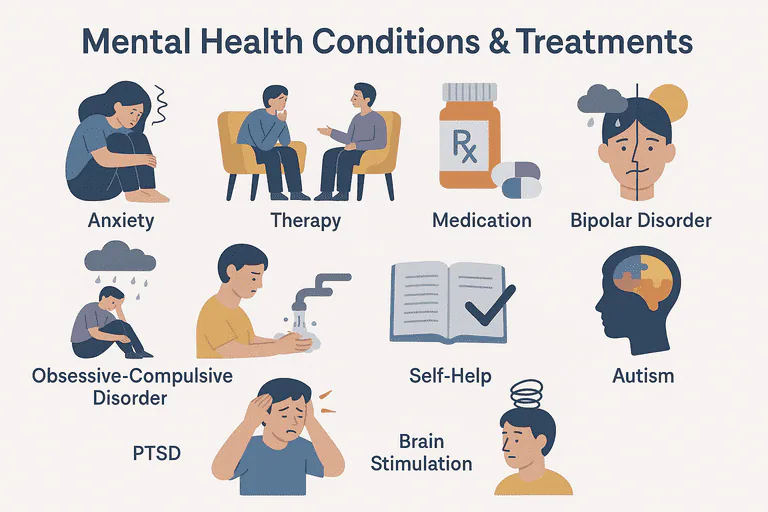
- Anxiety and panic: persistent worry, fear, or avoidance may interfere with daily life. Physical symptoms also deserve appropriate medical consideration.
- Depression: persistent low mood or loss of interest may occur with changes in sleep, appetite, concentration, energy, and functioning.
- Possible bipolar disorder: a history of distinct changes in energy, sleep, activity, judgment, and mood needs careful assessment over time.
- Attention and organization concerns: ADHD assessment considers developmental history, different settings, and other possible explanations.
- OCD: intrusive experiences and repetitive behaviors or mental rituals may become distressing and time-consuming.
- Trauma-related symptoms: distress after trauma may involve unwanted memories, avoidance, changes in mood, or feeling persistently on alert.
- Substance use concerns: substance use and psychiatric symptoms may interact, requiring attention to medical risks and the appropriate level of care.
Grief, relationship stress, identity concerns, and burnout can also lead someone to seek support. These experiences are not automatically psychiatric diagnoses, and the right response depends on the individual.
Treatment options serve different purposes
Medication management involves considering possible benefits, adverse effects, alternatives, and monitoring. Psychotherapy encompasses different approaches; the specific method should fit the clinical concern and the clinician's training. Some people benefit from combined or coordinated care.
For eligible adults with depression, an assessment may consider TMS or Spravato. These treatments have different eligibility, safety, monitoring, and scheduling requirements. Their availability does not mean they are appropriate for every person with depression.
What Renova Health provides and coordinates
Renova Health provides psychiatric evaluation and medication management when appropriate. The practice provides supportive psychotherapy within psychiatric care. When a specialized approach such as ERP, trauma-focused therapy, couples therapy, or family therapy is indicated, the practice can discuss coordination with or referral to an appropriately trained clinician. Availability with the specialist should be confirmed before scheduling.
Renova Health does not provide medical detoxification, inpatient treatment, residential treatment, or emergency stabilization. A person who needs supervised withdrawal, intensive addiction treatment, or urgent medical care needs assessment by an appropriate service.
Planning an appointment
Review current services, new-patient information, and insurance and self-pay information. Confirm the clinician, requested service, visit format, and expected cost when scheduling. Request an appointment for a routine evaluation; use emergency services for immediate danger or inability to remain safe.
This guide is general education and does not replace individual assessment or treatment.